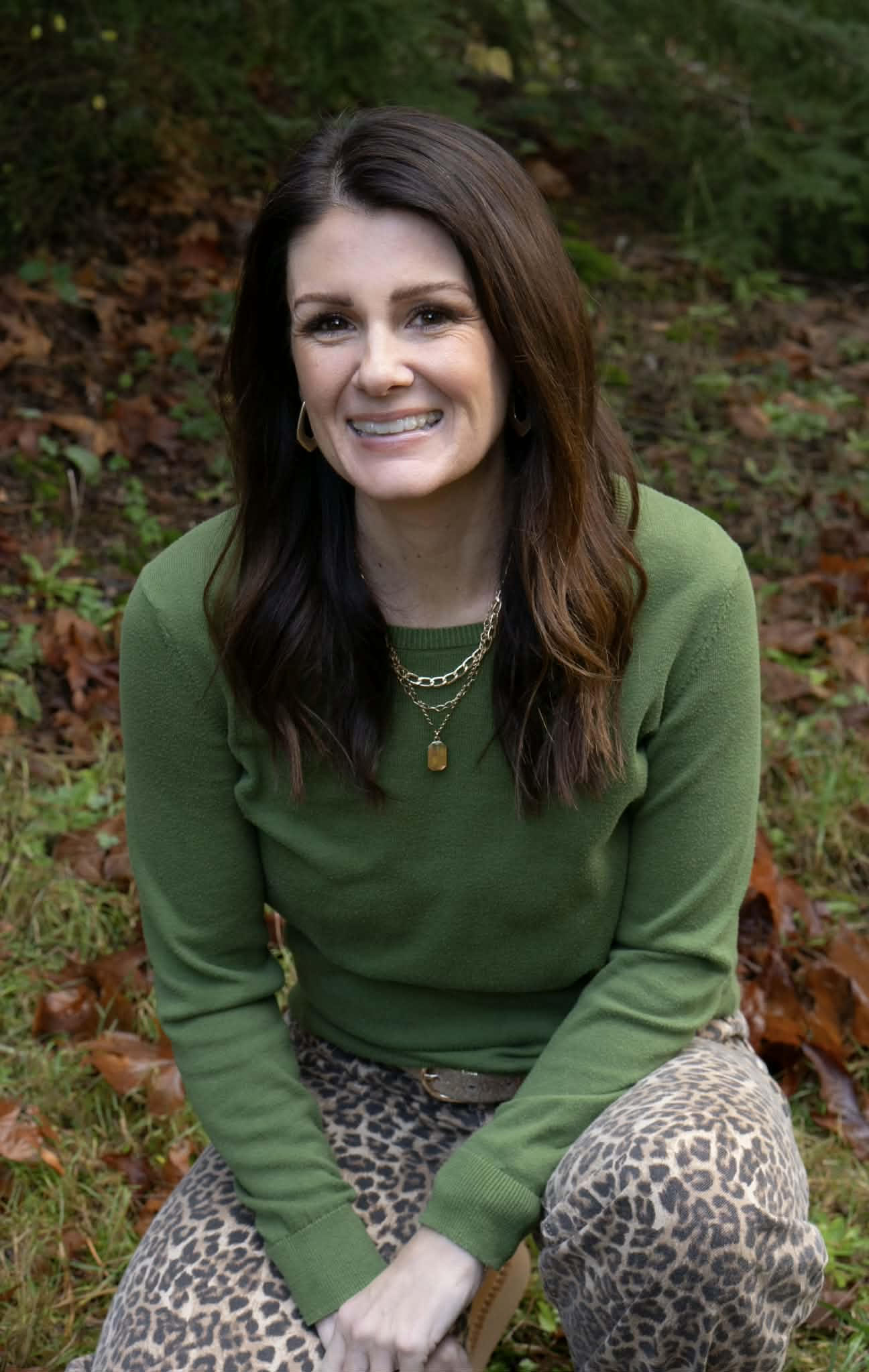
I’m Destiny. I ask questions—and help you build what comes next.
I’m the founder of The Rebellious Lighthouse and a Behavior and Systems Specialist. I work with special education professionals and school teams to understand recurring classroom friction and develop practical systems that fit their students and setting.
BS, MA, MAT · Professional experience since 2006 · Founder of The Rebellious Lighthouse since 2025
Optional video
A trusted teacher. Two small words.
As a teenager in foster care, I came to a trusted teacher after a difficult family court hearing. I was angry and felt like the world was against me. His response was brief: “…and?”
He had earned my trust over several years. I understood his response as making room for a choice I could still make, even with circumstances I hadn’t chosen. The relationship and context mattered. Those two words are part of my story, not a universal script for responding to a distressed student.
My lived experience informs my perspective. My professional experience informs my teaching. Both shape my belief that compassion, truthful expectations, and room for possibility belong together.
A little rebellion. A useful light.
The rebellious part is the willingness to question a practice that isn’t helping—even when “we’ve always done it this way.” The lighthouse is about illuminating something another person may not yet see while leaving them ownership of their decisions.
See the human. Tell the truth. Make room for possibility.
From a real moment to a workable plan
My teaching follows five steps. The purpose is to understand the thinking and build a version that fits your setting.
Real Classroom Moment
Start with something educators actually recognize.
Challenge the Thinking
Examine the assumptions shaping the response.
Explain the System
Understand the purpose and structure behind the approach.
Model the Response
Explore what the approach can look and sound like.
Build Your Plan
Adapt it for your students, adults, and available support.